How a Commercial Dehumidifier Can Save You Money on Energy Bills
Understanding Commercial Dehumidifiers
How Do Commercial Dehumidifiers Work?
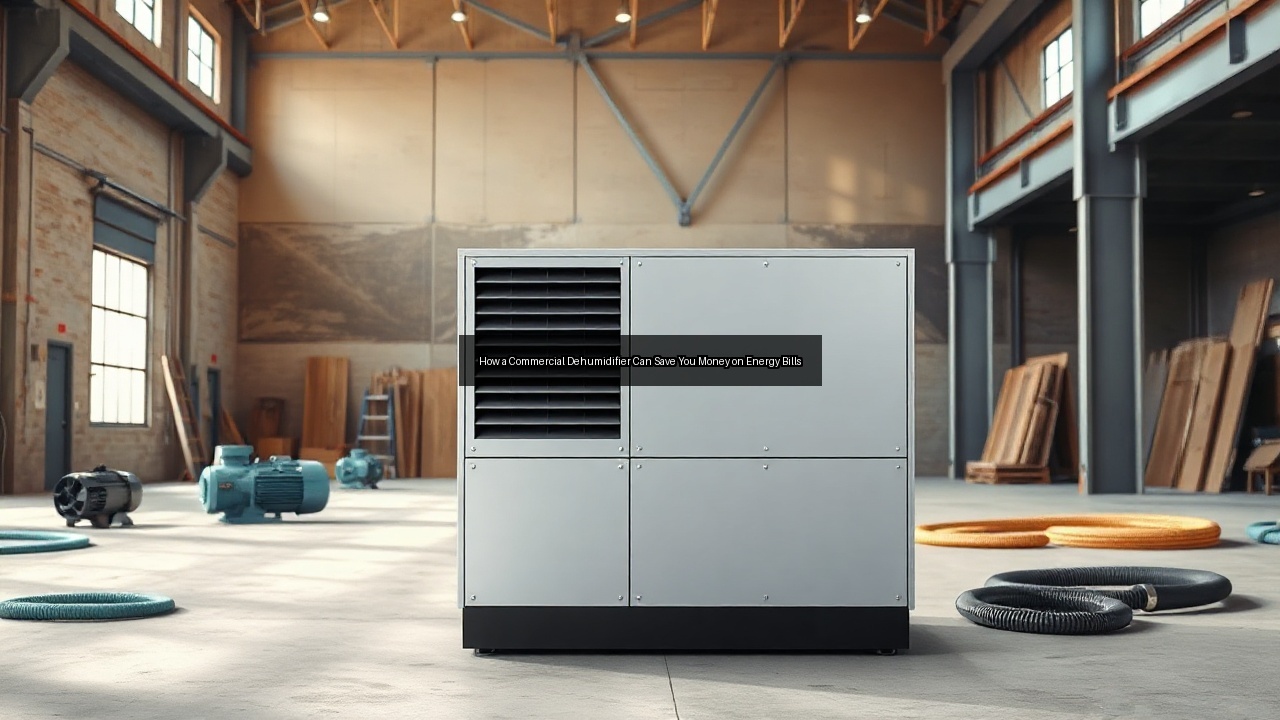
Commercial dehumidifiers operate by drawing in humid air, removing excess moisture, and then releasing dry air back into the space. These units utilize a refrigeration process, similar to air conditioners. When humid air enters the dehumidifier, it passes over cold coils, causing condensation to form. This moisture collects in a reservoir or drains away through a hose connected to a pump. The dry air then circulates back into the environment, effectively lowering the humidity level. This process is crucial for maintaining optimal indoor conditions, especially in spaces prone to excessive moisture, such as warehouses, construction sites, and spas.
Key Features of Commercial Dehumidifiers
Commercial dehumidifiers boast several key features that distinguish them from residential models. First, they typically have a higher capacity, measured in pints of moisture removed per day, making them suitable for large spaces. Many units are equipped with robust pumps for automatic drainage, simplifying maintenance. Energy-efficient models with ENERGY STAR ratings offer significant savings on energy bills by using less power during operation. Additionally, advanced models include built-in humidistats to automatically regulate humidity levels, ensuring a consistent environment. Features like adjustable air flow rates, CFM (Cubic Feet per Minute) ratings, and sound pressure levels enhance usability in various commercial settings.
Types of Commercial Dehumidifiers: Which One is Right for You?
Understanding the different types of commercial dehumidifiers helps in selecting the right one for your needs. Refrigerant dehumidifiers work best in warm, humid environments, making them ideal for warehouses and spas. They efficiently remove moisture from the air, particularly in spaces with high ambient temperatures. Desiccant dehumidifiers, on the other hand, use a moisture-absorbing material to extract humidity, functioning effectively in cooler temperatures and low-humidity environments. For construction sites, portable dehumidifiers provide mobility and quick deployment to manage moisture during drying processes. Assessing the specific requirements of your space, such as temperature, humidity levels, and the volume of air to be dehumidified, will help determine the appropriate unit for your application.
The Financial Benefits of Using a Commercial Dehumidifier
Reducing Energy Bills with Efficient Dehumidification
Using a commercial dehumidifier can significantly lower energy bills by optimizing the efficiency of your HVAC systems. Excess moisture in the air makes it harder for HVAC systems to maintain comfortable indoor temperatures. When humidity levels are high, these systems work overtime, consuming more energy to cool and dehumidify the air. A commercial dehumidifier preconditions the air by removing excess moisture, allowing the HVAC system to operate more efficiently. With reduced workload on the HVAC, businesses can expect lower energy consumption, translating into substantial cost savings over time. Regular maintenance of dehumidifiers ensures they operate at peak efficiency, further enhancing energy savings.
How Humidity Control Enhances HVAC System Performance
Humidity control plays a vital role in enhancing the performance of HVAC systems. High humidity levels can lead to poor indoor air quality, discomfort, and increased energy consumption. By integrating a commercial dehumidifier into your HVAC strategy, you create an environment that allows the system to function optimally. As the dehumidifier removes moisture, it reduces the load on the air conditioning unit, leading to lower operating costs. Additionally, maintaining ideal humidity levels prevents strain on the HVAC system, prolonging its lifespan and reducing the need for costly repairs or replacements. This synergy between dehumidification and HVAC performance results in a more comfortable environment for occupants while saving money.
Long-Term Savings: Preventing Mold and Structural Damage
Investing in a commercial dehumidifier offers long-term financial benefits by preventing mold growth and structural damage. High humidity levels create an ideal breeding ground for mold, which can lead to serious health issues and costly remediation. Mold growth damages walls, ceilings, and the structural integrity of a building, leading to expensive repairs. By actively controlling humidity with a commercial dehumidifier, businesses can mitigate the risk of mold growth and protect their assets. The cost of a dehumidifier is a fraction of the potential expenses associated with mold removal and structural repairs. Prioritizing moisture control not only ensures a healthier environment but also safeguards your investment for years to come.
Applications of Commercial Dehumidifiers Across Industries
Dehumidifiers in Warehouses and Storage Spaces
Warehouses and storage spaces often face challenges related to high humidity, which can lead to product spoilage and damage. Commercial dehumidifiers play a crucial role in preserving inventory by maintaining optimal humidity levels. These units safeguard sensitive materials, such as electronics, books, and food items, from moisture-related issues. Implementing a dehumidification system in these environments not only protects assets but also enhances operational efficiency. Businesses can avoid losses associated with humidity-related damages, ensuring that products remain in pristine condition. By investing in the right dehumidifier, warehouses can create a controlled environment that supports inventory longevity and reduces waste.
The Role of Dehumidifiers in Construction Sites
Construction sites frequently encounter moisture challenges due to weather conditions and the presence of wet materials. Commercial dehumidifiers are essential tools for managing humidity levels during construction and renovation projects. Effective dehumidification accelerates the drying process of concrete and drywall, allowing projects to stay on schedule. By reducing moisture, dehumidifiers also help prevent mold growth, which can complicate building processes and lead to costly delays. Contractors can ensure that materials are dry and ready for use, improving overall project efficiency. Proper humidity control contributes to a safer work environment and enhances dehumidifiers for commercial the quality of the finished product.
Maintaining Optimal Humidity in Spas and Pools
Spas and indoor pools require specific humidity levels to ensure comfort and safety for patrons. High humidity can lead to discomfort and increased energy costs as HVAC systems struggle to maintain temperature. Commercial dehumidifiers play a vital role in these environments by controlling moisture levels and improving air quality. By effectively managing humidity, dehumidifiers help prevent condensation on surfaces, which can lead to slippery floors and other hazards. Additionally, maintaining optimal humidity protects the facility from structural damage and promotes a pleasant atmosphere for guests. Investing in a reliable commercial dehumidifier ensures that spas and pools operate smoothly while providing a comfortable experience for users.
Choosing the Right Commercial Dehumidifier for Your Needs
Important Specifications: Pints, CFM, and Ton Ratings
Selecting the right commercial dehumidifier involves understanding key specifications such as pints, CFM (Cubic Feet per Minute), and ton ratings. The pint rating indicates the amount of moisture a unit can remove in 24 hours, so assessing the size of your space is crucial. For larger areas, higher pint capacities are necessary to achieve effective dehumidification. CFM ratings reflect the volume of air the dehumidifier can process, impacting how quickly a space can be dehumidified. Ton ratings, often used in conjunction with HVAC systems, indicate cooling capacity and can guide you in choosing a dehumidifier that complements your existing setup. Evaluating these specifications will help you find the right unit for your specific needs.
Understanding Sound Pressure Levels in Dehumidifiers
Sound pressure levels commercial dehumidifier unit (SPL) are an important consideration when selecting a commercial dehumidifier, especially for spaces where noise can be disruptive. Many commercial units produce varying levels of noise during operation, and understanding these levels can help you choose a model that meets your comfort requirements. Look for dehumidifiers with lower SPL ratings if noise is a concern in environments like offices, spas, or libraries. Some modern commercial dehumidifiers are designed to operate quietly, offering efficient moisture control without disturbing the peace of the environment. Prioritizing sound pressure levels ensures that you maintain a comfortable atmosphere while effectively managing humidity.
Installation Considerations: Pumps, Hoses, and Air Flow
Proper installation of a commercial dehumidifier is crucial for optimal performance. Considerations include the need for pumps and hoses for drainage, as well as ensuring adequate air flow. Many commercial units come with built-in pumps that facilitate automatic drainage, reducing maintenance efforts. When installing, ensure that hoses are positioned correctly to prevent water accumulation. Additionally, assess the air flow requirements for the unit, as proper circulation is vital for effective dehumidification. Evaluate the layout of your space to determine the best location for the dehumidifier, ensuring it can operate efficiently and maintain optimal humidity levels throughout the area.