Common Misconceptions About Blind Flanges Debunked
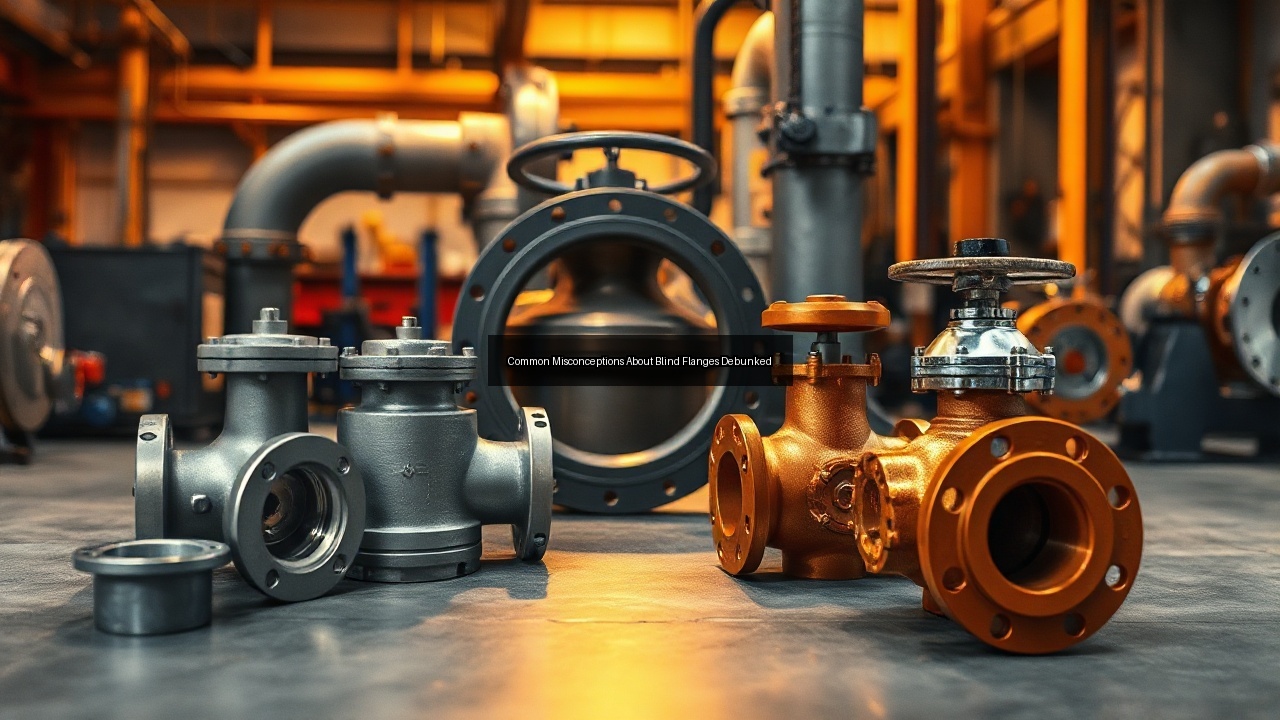
Understanding Blind Flanges and Their Purpose
What Are Blind Flanges?
Blind flanges serve a crucial role in piping systems, acting as solid discs that seal the end of a pipe or a fitting. Unlike other types of flanges, such as slip-on or threaded flanges, blind flanges do not have a central hole. This design enables them to effectively block the flow of fluids, providing a complete closure for the piping system. Typically constructed from materials like carbon steel or stainless steel, blind flanges can withstand significant pressure and temperature variations, making them suitable for various environments. Their robust design ensures that they prevent leaks and maintain system integrity, which is essential in industries that rely on high-pressure systems, such as oil and gas. Understanding the specific application and characteristics of blind flanges is vital for engineers and technicians involved in pipe infrastructure projects.
Applications in Pipe Infrastructure
Blind flanges find extensive use across multiple sectors, particularly in pipe infrastructure. They serve as effective sealing solutions in various applications, such as closing off a line for maintenance or testing without disrupting the entire system. In wastewater treatment plants, for instance, blind flanges help in isolating sections of the pipeline during repair work. Furthermore, they are essential in chemical processing facilities, where they prevent contamination by sealing off unused access points. The versatility of blind flanges also extends to construction projects, where they can be used to create temporary closures. Their design allows for easy installation and removal, contributing to efficient workflow and maintenance operations.
Importance in Oil and Gas Industry
The oil and gas industry heavily relies on blind flanges for various applications, including pipeline installations and maintenance. These flanges provide a secure means to close off valves, ensuring that no fluid can escape during repairs or modifications. In high-pressure environments common in oil and gas extraction and transport, the reliability of blind flanges is paramount. They prevent leaks that could lead to environmental hazards and financial losses. Additionally, blind flanges facilitate the safe isolation of equipment during routine inspections and maintenance, ensuring that operations can continue without interruption. With stringent safety regulations governing this sector, the use of blind flanges aligns with best practices to maintain system integrity and worker safety.
Common Misconceptions About Blind Flanges
Blind Flanges Are Only Used for Sealing
A prevalent misconception is that blind flanges serve only to seal pipes. While sealing is indeed their primary function, blind flanges also play a pivotal role in maintenance and system design. They allow for easy access points in a piping system, enabling technicians to perform inspections and repairs without needing to dismantle extensive sections of piping. This accessibility can significantly reduce downtime during maintenance activities. Additionally, blind flanges can be used in pressure testing, where they help create a closed system for evaluating the integrity of pipelines. Understanding their multifaceted uses reveals that blind flanges contribute to both efficiency and safety in various applications.
Materials Matter: Carbon Steel vs. Stainless Steel
Another misconception involves the belief that one material fits all for blind flanges. Carbon steel and stainless steel are the most common materials used, each with its advantages and ideal applications. Carbon steel flanges are often more cost-effective and provide excellent strength for high-pressure applications. However, they are susceptible to corrosion, making them less suitable for environments exposed to moisture or corrosive substances. On the other hand, stainless steel flanges offer superior resistance to corrosion, making them ideal for use in industries like food processing and pharmaceuticals, where cleanliness is crucial. Understanding the material properties helps engineers select the right blind flange for specific applications, ensuring reliability and performance.
Blind Flanges Are Only for High-Pressure Applications
Many assume that blind flanges are exclusively designed for high-pressure systems. While they are indeed critical in high-pressure applications, their utility extends to low-pressure systems as well. Blind flanges can effectively seal low-pressure pipelines, delivering similar benefits in terms of isolation and maintenance access. For example, in HVAC systems, blind flanges can cap off pipes that are not in use, ensuring that air flow is properly managed. The misconception that blind flanges are only for high-pressure scenarios limits their perceived versatility, which is essential for engineers and designers who work with diverse piping systems.
Choosing the Right Blind Flange for Your Project
Factors to Consider: Gaskets and Seals
Selecting the right blind flange involves careful consideration of gaskets and seals. The gasket material must be compatible with the fluids transported within the pipes to prevent leaks. Common gasket materials include rubber, PTFE, and graphite, each suited to specific temperature and pressure ranges. Engineers must assess the operating conditions, including chemical compatibility and environmental factors, to determine the best gasket for the application. Proper sealing is crucial; even minor leaks can escalate into significant issues, especially in high-stakes industries like oil and gas. Therefore, investing time in selecting the right gaskets and seals will enhance the overall reliability of the piping system.
Flange Compatibility with Pipes and Fittings
Compatibility between blind flanges and the pipes or fittings they connect to is essential for system integrity. Different piping systems utilize various flange standards, such blind flange gasket as ASME or ANSI, which dictate dimensions and pressure ratings. Engineers must ensure that the chosen blind flange matches the specifications of the existing pipes and fittings. This compatibility prevents installation issues and ensures that the entire system can withstand the operational pressures and temperatures. Additionally, using the correct flange type facilitates proper alignment and minimizes the risk of leaks due to misalignment. Proper attention to flange compatibility contributes significantly to the longevity and reliability of the piping infrastructure.
Understanding ASME Standards for Blind Flanges
The American Society of Mechanical Engineers (ASME) provides standards that govern the design and manufacturing of blind flanges. Familiarity with these standards is crucial for engineers to ensure compliance and safety. ASME standards cover various aspects, including material specifications, pressure ratings, and dimensions, helping engineers select flanges that meet regulatory requirements. Adhering to these standards not only ensures the safety and reliability of the piping system but also facilitates interoperability between components from different manufacturers. Understanding ASME guidelines equips engineers with the knowledge necessary to create robust and compliant piping systems, reducing the risk of failures and enhancing overall performance.
Ensuring Reliability and Preventing Leaks
Welded vs. Flanged Connections
When it comes to ensuring reliability in piping systems, the choice between welded and flanged connections is significant. Welded connections provide permanent seals that are less likely to leak over time, making them suitable for high-pressure applications. However, they limit access for future maintenance. In contrast, flanged connections, including blind flanges, offer the advantage of easy disassembly, facilitating inspections and repairs. While flanged connections may pose a higher risk of leaks if not properly sealed, using high-quality gaskets and ensuring compatibility can mitigate these concerns. Engineers must weigh the benefits of each connection type based on the specific application and maintenance needs of the system.
The Role of Expansion Joints
Expansion joints play a vital role in maintaining the integrity of piping systems, especially those that experience temperature fluctuations. These joints accommodate thermal expansion and contraction, preventing undue stress on the blind flanges and other components. Installing expansion joints in conjunction with blind flanges helps distribute stress evenly, reducing the likelihood of leaks or failures. Engineers must consider the placement and type of expansion joints based on the specific piping layout and operational parameters. Properly designed systems with expansion joints enhance reliability, ensuring that the piping infrastructure can withstand the rigors of fluctuating conditions without compromising safety.
Maintenance Tips for Long-Term Reliability
Maintaining blind flanges is essential for long-term reliability and performance. Regular inspections can identify potential issues before they escalate into serious problems. Engineers should check for signs of corrosion, wear, or gasket degradation at intervals appropriate for the specific application. Additionally, ensuring that bolts are tightened to the manufacturer’s specifications is crucial in preventing leaks. Implementing a routine maintenance schedule that includes cleaning and replacing gaskets when necessary will extend the lifespan of the blind flanges and the overall piping system. By prioritizing maintenance, operators can minimize downtime and enhance the efficiency of their operations, ultimately leading to cost savings and improved safety.
See Also
- The Ultimate Guide to Choosing the Right Blind Flange for Your Project
- The Benefits of Using Blind Flanges in Complex Piping Systems
- Blind Flanges in Expansion Joints How They Contribute to System Flexibility
- How to Properly Seal a Blind Flange for Maximum Performance
- Blind Flanges and Their Role in Sustainable Infrastructure Solutions