How Hazardous Location Motors Ensure Safety in Data Centers
Understanding Hazardous Location Motors
Definition and Importance
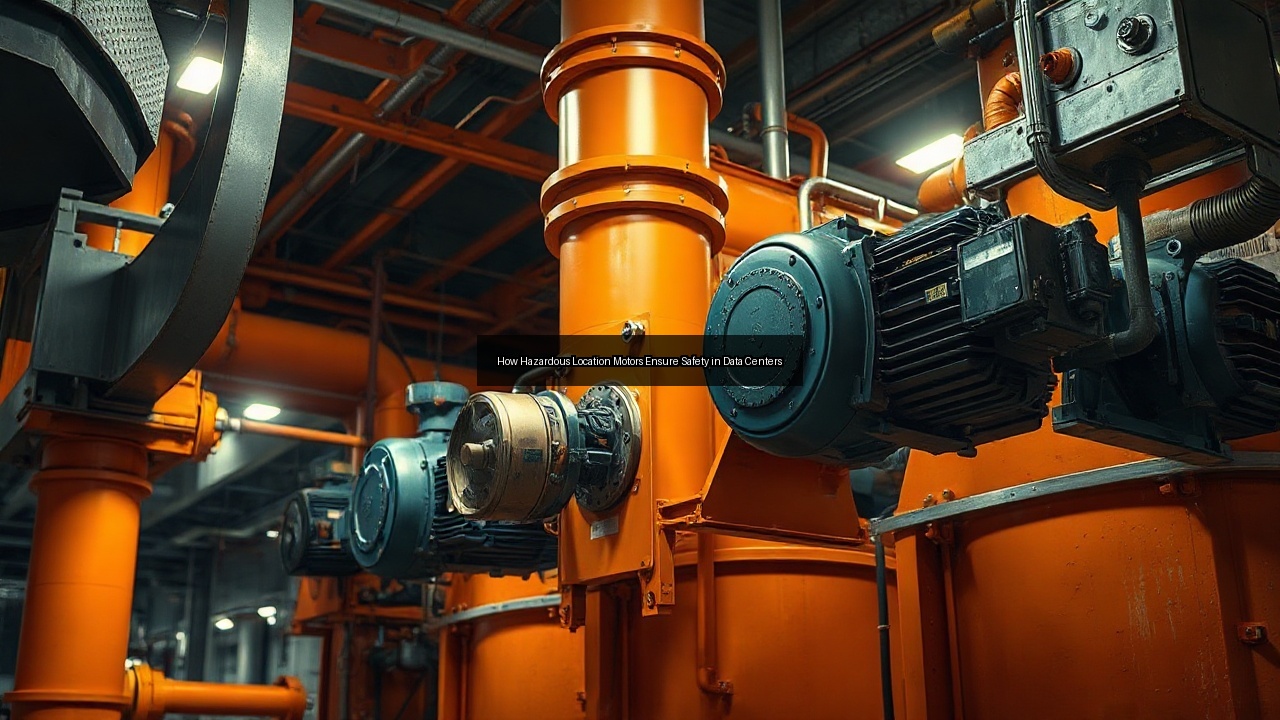
Hazardous location motors operate in environments where flammable gases, dusts, or vapors create ignition risks. These motors contain sparks and heat to prevent explosions in facilities like data centers. Engineers rely on them to maintain continuous uptime while protecting infrastructure from catastrophic failures. The motors meet strict design standards that isolate electrical components from surrounding hazards. Data centers depend on this protection because even minor ignition sources can disrupt operations across entire networks. Facilities that handle cooling systems or backup power generation benefit directly from motors engineered for dangerous locations. Proper selection reduces downtime and safeguards personnel during routine operations.
Types of Hazardous Location Motors
Manufacturers produce several classes of hazardous location motors to match specific risks. Explosion-proof models enclose internal arcs to contain ignition sources in gas-filled areas. Dust-ignition-proof versions prevent combustible particles from entering motor housings in dry environments. Increased-safety designs limit surface temperatures to avoid igniting surrounding vapors or liquids. Data centers often combine these types across cooling towers and gas compressors. Each variant addresses different hazardous locations while delivering reliable torque and speed. Facilities evaluate the presence of gas, dusts, or vapors before choosing the appropriate motor category for long-term performance.
NEMA Ratings and Their Significance
NEMA ratings classify hazardous location motors according to the severity of surrounding conditions. Class I covers gas and vapor hazards, while Class II addresses dust environments. Division ratings further specify whether hazards exist during normal operation or only under abnormal conditions. Data centers reference these ratings when installing motors near cooling systems or compressors. Higher NEMA designations ensure motors withstand ignition sources without failure. Engineers match ratings to site conditions to maintain compliance and operational safety. These standards guide selection across industrial applications including pulp and paper plants that share similar environmental challenges with data centers.
Applications in Data Centers
Cooling Towers and Their Role
Cooling towers regulate temperatures in data centers by circulating large volumes of water and air. Hazardous location motors drive the fans and pumps that keep these systems running without introducing ignition risks. Vapors from treated water or nearby equipment can accumulate around motor housings, making explosion-proof designs essential. Facilities position these motors to handle continuous loads while resisting corrosion from liquids. Reliable motor performance prevents overheating in server rooms and maintains overall infrastructure stability. Operators monitor motor behavior closely because cooling interruptions quickly escalate into thermal events that threaten sensitive equipment.
Gas Compressors in Data Centers
Gas compressors support backup power systems and refrigerant cycles in data centers. Hazardous location motors power these compressors to handle flammable refrigerants without creating ignition points. The motors withstand pressure changes and exposure to gas mixtures during peak demand periods. Facilities integrate them into redundant setups that activate during outages to protect data integrity. Proper motor dimensioning ensures compressors deliver consistent force without exceeding temperature limits. Data centers that rely on natural gas generators especially benefit from motors certified for hazardous locations to avoid service disruptions.
Impact of Vapors and Liquids
Vapors and liquids from cooling processes or leaks pose ongoing threats in data centers. Hazardous location motors feature sealed enclosures that block these substances from reaching internal components. Liquids can corrode windings, while vapors lower ignition temperatures around electrical parts. Motors designed for these conditions maintain performance despite constant exposure. Operators schedule regular inspections to detect early signs of vapor ingress or liquid accumulation. Effective containment prevents small leaks from escalating into larger hazards that affect entire facilities.
Safety Standards and Compliance
Regulatory Bodies and Guidelines
Regulatory bodies establish guidelines that govern hazardous location motors in data centers. Organizations such as OSHA and NFPA outline requirements for electric motor installations in dangerous locations. These standards specify enclosure ratings, temperature codes, and wiring practices that minimize ignition risks. Data centers follow these rules to protect both equipment and personnel. Compliance documentation guides facility managers through motor selection and placement. Adherence ensures operations meet legal obligations while reducing insurance liabilities associated with hazardous environments.
The Role of EASA in Safety Compliance
EASA provides technical resources and training that help facilities maintain hazardous location motors. The association publishes guidelines on repair procedures that preserve original safety certifications. Data centers consult EASA standards when retrofitting motors in cooling towers or gas compressors. Technicians trained under EASA protocols understand how modifications affect motor performance in hazardous locations. This knowledge supports consistent compliance across multiple sites. Facilities that follow EASA recommendations experience fewer compliance issues during inspections.
Warranty Considerations for Hazardous Location Motors
Warranty terms for hazardous location motors depend on proper installation and maintenance records. Manufacturers require documentation that motors operated within rated hazardous locations to honor coverage. Data centers track service history to avoid voiding warranties after repairs. Deviations from NEMA specifications or unauthorized modifications can nullify protection. Facilities work with authorized service centers to preserve warranty validity. Clear warranty conditions encourage operators to follow best practices that extend motor life and maintain safety certifications.
Performance and Maintenance
Frequency and Behavior of Motors
Frequency settings influence how hazardous location motors respond under varying loads in data centers. Motors running at constant frequency deliver steady torque to cooling fans and compressors. Sudden changes in motor behavior signal potential issues such as bearing wear or winding degradation. Operators monitor vibration patterns and temperature trends to predict failures before they occur. Consistent frequency operation reduces stress on motor components exposed to vapors and dusts. Data centers log performance data to optimize schedules and prevent unexpected shutdowns.
Single Phase vs. BLDC Motors
Single phase motors suit smaller auxiliary systems in data centers where three-phase power is unavailable. They provide simple starting characteristics for pumps and smaller fans. BLDC motors offer higher efficiency and precise speed control in hazardous locations. Their electronic commutation reduces sparking compared with brushed designs. Facilities compare single phase motors against BLDC motors when evaluating energy consumption and maintenance intervals. BLDC options often extend service life in continuous-duty applications around gas compressors and cooling equipment.
Repair and Maintenance Best Practices
Repair of hazardous location motors requires certified technicians who restore original safety features. Maintenance includes cleaning seals, checking enclosure integrity, and verifying temperature ratings. Data centers schedule these tasks during planned outages to minimize disruption. Technicians document every step to maintain compliance records. Proactive repair prevents small issues from developing into ignition hazards. Facilities that follow structured maintenance programs extend motor lifespan while protecting critical infrastructure.
Choosing the Right Motor for Hazardous Locations
Evaluating Infrastructure Needs
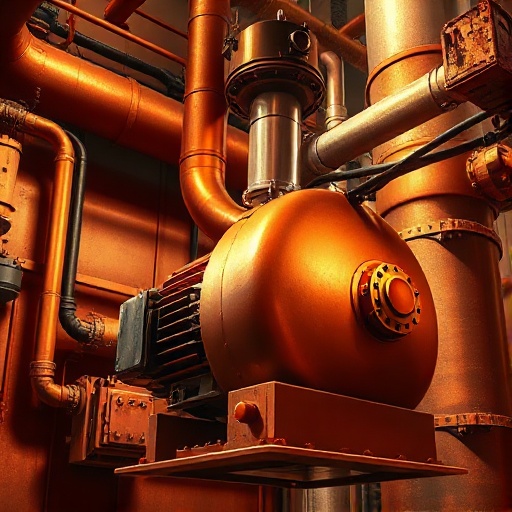
Evaluating infrastructure needs begins with mapping hazardous zones inside data centers. Engineers identify areas with potential gas, vapors, or dusts near cooling towers and compressors. They assess load requirements, ambient conditions, and available space for motor installation. Proper evaluation ensures selected motors match both performance demands and safety classifications. Data centers that complete thorough assessments avoid costly retrofits later. Infrastructure reviews also consider future expansion plans that may introduce new hazardous locations.
Key Factors in Selecting Motors
Key factors include NEMA ratings, efficiency ratings, and compatibility with existing systems. Facilities examine motor dimension, mounting options, and resistance to specific vapors or liquids. Torque requirements and starting methods influence choices between single phase motors and BLDC motors. Data centers prioritize motors that deliver reliable force without exceeding temperature limits. Selection processes weigh initial costs against long-term reliability and compliance needs. Accurate matching reduces operational risks in hazardous environments.
Working with Distributors for Optimal Solutions
Distributors supply hazardous location motors tailored to data center specifications. They provide technical support during selection and assist with custom configurations. Facilities benefit from distributor expertise when matching motors to unique combinations of gas, dusts, and liquids. Distributors also coordinate warranty registration and spare parts availability. Strong partnerships ensure timely delivery and access to certified repair services. Data centers that collaborate with knowledgeable distributors achieve safer, more efficient motor installations across hazardous locations.
See Also
- Navigating NEMA Standards for Motors in Hazardous Locations
- Single Phase Motors for Hazardous Environments What You Need to Know
- Innovative BLDC Motors for High-Risk Applications in Pulp and Paper Industries
- Selecting the Right Distributor for Your Hazardous Duty Motor Needs
- Choosing the Right Hazardous Location Motors for Your Industrial Needs